Choosing a Table Base: Legroom, Stability & Style (Guide)
A buyer decision guide to table bases: legroom, overhang, wobble control and what to specify so the table feels rock-solid for years.
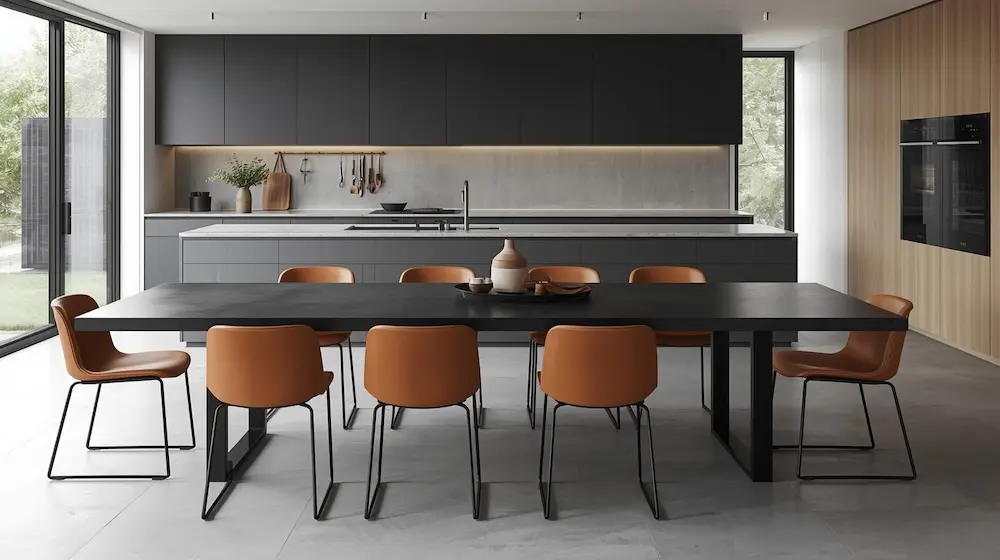
A table base isn’t just a design detail — it directly affects legroom, comfort and how the table feels in daily use.
Why the base matters
The same tabletop can feel completely different depending on the base underneath it.
Good base design balances stability with generous legroom.
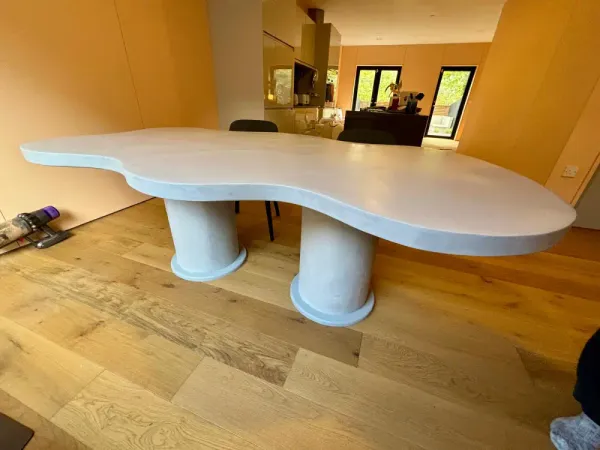
Pedestal bases
Pedestal bases give the most flexible seating arrangement.
They’re ideal if you want to slide chairs freely or seat extra guests occasionally.
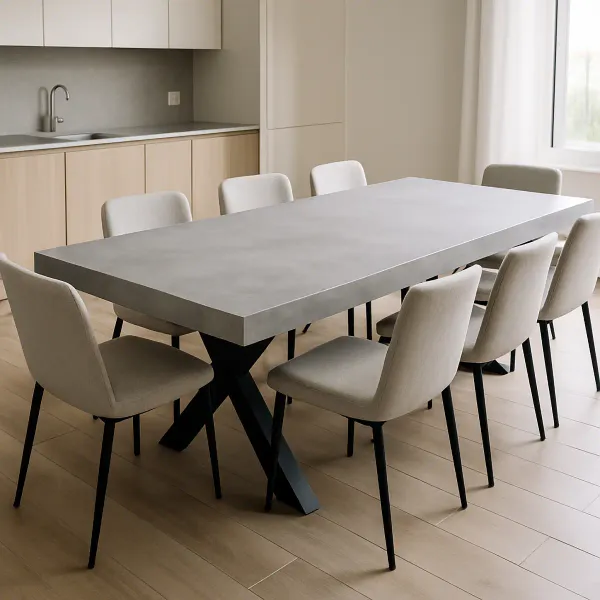
Frame bases
X-frames, A-frames and box frames make a strong visual statement.
It’s important to check where legs and crossbars sit so they don’t interfere with seating.
Twin pedestals
For longer tables, twin pedestals combine stability with seating flexibility.
They’re a popular choice for larger dining rooms.
A common mistake
Choosing a base based on photos alone without checking chair clearance and knee space.
Getting it right without stress
You don’t need perfect measurements or firm decisions before speaking to us. Most RockVine clients start with a rough idea and refine it with our help.
If you’d like us to check your room, seating, base choice or finishes, we’ll do that during a quote, showroom visit or video consultation.